Pay in installments of $5.69 with
 ,
,
 and
and

Shipping Estimate
USA
- USA
- CAN
- USA
- CAN
Ships within 48 hours · Estimated delivery Jun 30 - Jul 5
 Promo Codes Available:
For Your Every Summer RSVP, with Code: SUMMER15
Description
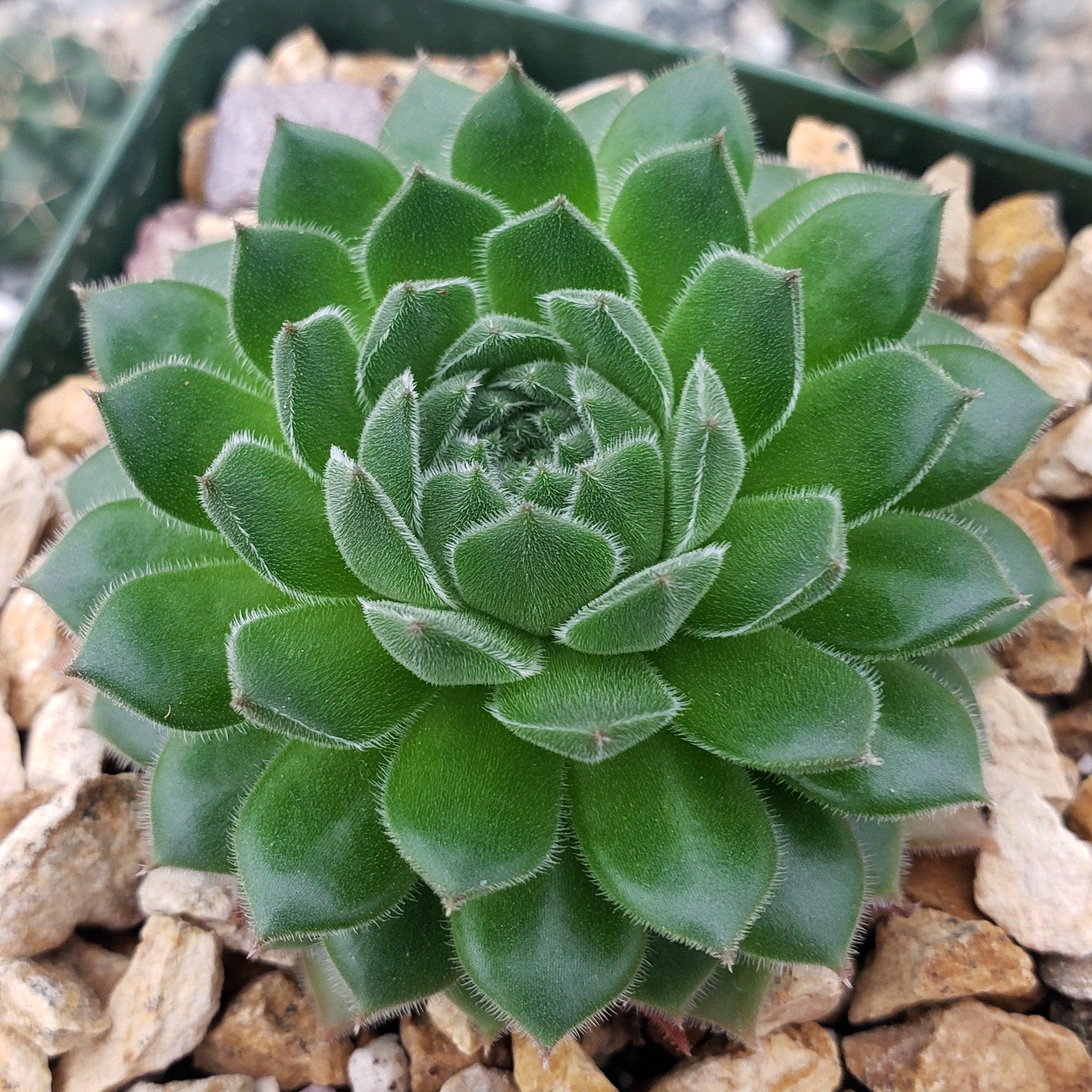
houseleek succulent plant Common HouseleekIntroducing the Sempervivum tectorum, also known as common houseleek, which is a popular mat forming variety of Hen and chicks Sempervivum genus. With its rosette shaped clusters of fleshy leaves and its ability to produce numerous offsets, the house leek plant embodies the classic hen and chick growth pattern. Native to the mountains of Southern Europe, the Sempervivum tectorum has several other names such as roof houseleek, St. Patrick cabbage,
Introducing the Sempervivum tectorum, also known as common houseleek, which is a popular mat-forming variety of Hen and chicks Sempervivum genus. With its rosette-shaped clusters of fleshy leaves and its ability to produce numerous offsets, the house leek plant embodies the classic hen and chick growth pattern.
Native to the mountains of Southern Europe, the Sempervivum tectorum has several other names such as roof houseleek, St. Patrick cabbage, bullocks eye, Jupiter's beard, thunder plant, and live forever. These names highlight different aspects of the house leek plant, such as its ability to grow on rooftops (roof houseleek), its association with the Irish holiday (St. Patrick cabbage), or its resilience and longevity (live forever).
Sempervivum tectorum is a succulent with thick, fleshy green leaves, variably tinged with red and purple tips.
It grows 4 inches in diameter and produces offsets attached to the mother rosette by horizontal stems.
The Sempervivum tectorum flowers produce tall, slender stalks topped with clusters of small, star-shaped blooms. In the summer, it produces red-purple flowers.
After flowering, the individual rosettes die, leaving the chicks to fill the space and spread, hence the common name of hens and chicks.
This Sempervivum tectorum plant is commonly used in rock gardens, as a border front, in rock crevices, along stone walls, as a small area of ground cover, and as an edging or foundation. It makes an excellent container plant and can be planted in rock walls for a balance of drainage, radiant heat, and root protection. When grouped together or massed, as in a small area ground cover, hens and chicks flourish.
When and How to Water Your Common Houseleek
When it comes to watering your Sempervivum tectorum, you don't want to overwater it and risk root rot, but you also don't want to let it completely dry out. The Sempervivum tectorum prefers watering once every 1-2 weeks in the growing season, and once every 4-6 weeks in the dormant season.
In the spring and summer, during the growing season, you can water your sempervivum once every 1-2 weeks. Make sure to water this common houseleek plant thoroughly, allowing the water to soak into the soil. But here's the trick: before watering again, make sure the soil is dry about an inch deep. This will prevent overwatering.
In the winter, when your Sempervivum tectorum plant goes into a dormant phase, you can reduce watering to once every 4-6 weeks. Remember, succulents like the common houseleek store water in their leaves, so they're pretty good at surviving dry periods. Just keep an eye on the soil moisture and adjust your watering schedule accordingly.
Light Requirements - Where to Place Your Sempervivum tectorum
When grown indoors, it's important to provide your plant with bright, indirect light. Place your plants near a window that receives plenty of sunlight throughout the day. If you don't have a window with enough light, you can also use grow lights to supplement your houseleek plants light needs. Aim for about 6-8 hours of light per day for these lovely succulents.
When grown outdoors, your Sempervivum tectorum hens and chicks love the full sun. These houseleek plants thrive in bright, direct sunlight. Find a spot in your garden or balcony where they can receive at least 6-8 hours of direct sunlight each day.
Remember, it is a hardy succulent and can tolerate some shade, but it won't grow as compact and vibrant as it would in full sun. So, if you want them to look their best, give them plenty of sunshine.
Whether you're growing them indoors or outdoors, just keep an eye on the leaves. If they start to stretch or become pale, it's a sign that they're not getting enough light. On the other hand, if the leaves turn brown or scorched, it might be a sign of too much direct sunlight.
Optimal Soil & Fertilizer Needs
The Hens and Chicks succulents prefer well-drained soils, and should be fertilized once a year in spring. A good option is sandy or gravelly soils, which you can find at your local garden center or make yourself by combining regular potting soil with sand or perlite. This mixture helps prevent water from pooling around the roots and causing rot.
Ideally, you want to use our specialized succulent potting mix that contains 5 natural substrates and organic mycorrhizae to promote the development of a strong root system that helps your common houseleek succulent to thrive.
As for fertilizing, sempervivum tectorum doesn't require a lot of nutrients. You can fertilize them sparingly, about once a year, in the spring. A balanced (5-10-5), diluted succulent NPK fertilizer can be used. Just make sure to follow the instructions and avoid over-fertilizing, as it can lead to leggy growth and weak plants.
Indoor Growing Hens and Chicks Requirements
When growing indoors, your Sempervivum tectorum is quite hardy and can tolerate a wide range of temperatures, but it thrives in temperatures between 60°F and 75°F during the day. At night, they can handle slightly cooler temperatures, around 45°F to 55°F. So, keeping them in a room with moderate temperatures should work well. Also, they prefer low humidity levels, similar to what you would find in a typical indoor environment. So, you don't need to worry too much about humidity levels when growing them indoors.
Hardiness Zone & More
Sempervivum tectorum is a cold-hardy plant suitable for outdoor cultivation anywhere in the US, growing in hardiness zones 3-8.
It can tolerate temperatures as low as -30°F in winter and as high as 90°F in summer, making it ideal for outdoor gardens and handling seasonal temperature fluctuations.
They prefer lower humidity levels and can handle dry conditions.
So, if you live in a region with higher humidity, make sure to provide them with well-draining soil and avoid overwatering to prevent any potential issues.
Wildlife - Sempervivum tectorum Attracts the Following Friendly Pollinators
Sempervivum tectorum is not just a visual delight but also a magnet for pollinators. Its vibrant summer flowers, often in shades of pink, purple, or red, attract bees, butterflies, hummingbirds, and other beneficial insects. These pollinators play a vital role in maintaining the health of your garden by encouraging biodiversity and supporting the ecosystem.
According to ASPCA, the Sempervivum tectorum is considered non-toxic to humans, cats, dogs, and horses. This makes it an ideal plant choice for pet-friendly households where curious animals might nibble on foliage. Its non-toxic nature ensures that your furry friends remain safe while you enjoy the beauty and resilience of this hardy succulent.
How to Propagate Your Sempervivum tectorum
When it comes to propagation, sempervivum is a relatively easy plant to propagate. It can be grown from seeds, but the most common method is through offsets. These offsets, or chicks, can be carefully separated from the mother plant and planted in their own pots or directly in the garden. Over time with proper Sempervivum tectorum care, they will grow into mature plants, continuing the cycle of hens and chicks.
Key Takeaways
- Sempervivum tectorum is exceptionally drought-tolerant, making it an ideal choice for xeriscaping and low-maintenance gardens.
- They can withstand freezing temperatures, surviving in USDA zones 3-8, making them suitable for diverse climates.
- It is a mat-forming succulent that spreads out, making it an excellent choice for ground cover in gardens.
- Its rosette-shaped growth and ability to produce offsets, or “chicks,” make it a visually appealing and self-propagating succulent.
- The plant’s summer blooms attract bees and butterflies, or hummingbirds supporting pollinator populations and adding vibrancy to your garden.
The Bottom Line
Overall, the Sempervivum tectorum is a popular and delightful hen and chick succulent plant that brings beauty and charm to any garden or container. With its unique growth habit of producing clusters of smaller offsets around the mother plant, it creates a lovely family of hens and chicks. The thick, fleshy leaves in various colors and the delicate star-shaped flowers add to its appeal. The house leek plants spread to about 4 inches. This very cold hardy and resilient plant can thrive in USDA zones 3-9 and is easy to propagate through offsets. Plus, it's generally non-toxic, making it a safe choice for households with pets or children. So, if you're looking for a low-maintenance and visually appealing plant, hens and chicks are a fantastic option to consider.
Shipping Notes
- Free Standard Shipping on $100+ Orders to the USA.
- Except Preorder products are shipped in 48 hours.
- Delivery to the USA:
- Standard Shipping : 3-10 business days
- If time is of the essence, please consider selecting expedited delivery for faster service.
Exchange/Return Notes
- We offer a 30-day return/exchange service after receiving.
- Final sale items are not eligible for returns or exchanges.
- To process your return/exchange, please contact us at [email protected]
- Please click here for more details>>> Return & Exchange Policy